About Kindling Birth Coaching
Welcome, I’m so glad you’re here.
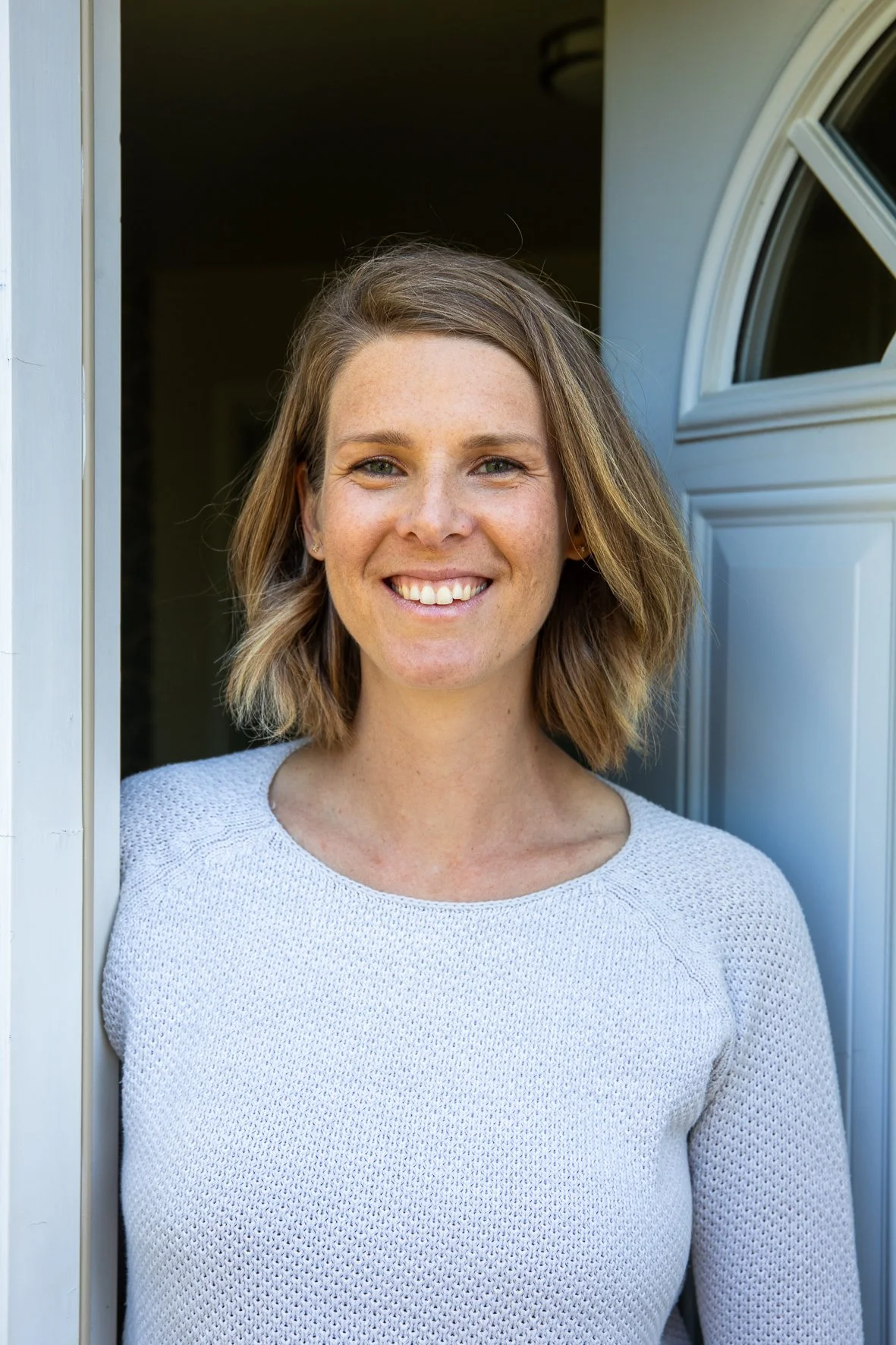
I’m Verena — a mom of three, an MD, and a public health researcher with a PhD. I created Kindling because I believe that everyone deserves a beautiful birth.
Why I started Kindling
I started Kindling Birth Coaching because I believe you deserve a beautiful birth — one that will make you smile for years to come.
My own children’s births were deeply meaningful and transformative in ways I never imagined and I know they will stay with me a lifetime.
I look back on my children’s births with joy and pride — and I truly want that for you, too.
Those experiences weren’t just luck. They were shaped by preparation — by understanding what was happening in my body, by learning how to work with my mind and emotions, and by making sure I felt supported as I navigated the maternity care system. I discovered how much changes when people are prepared in ways that go beyond information alone.
For a long time, I held the same assumptions many of us do. I believed childbirth was dangerous, chaotic, and overwhelmingly painful. As a physician, I had seen complicated births. Like most people, I had heard far more difficult stories than hopeful ones. Add to that the way birth is portrayed in movies and television, and it’s easy to internalize the idea that birth is something to fear and endure.
What changed my view of birth
That shifted during my first pregnancy. I realized I had a choice: to walk into birth with fear and apprehension, just hoping for the best…or to prepare myself in a way that made space for peace, confidence, and deep trust. I did what I do as a scientist and turned to the evidence. What I found was both reassuring and sobering: modern maternity care is rightly focused on safety, but often pays little attention to how people experience birth or how prepared they feel going into it which can introduce unintentional harm.
At the same time, the evidence is clear. A positive birth experience is so important. And mental and emotional preparation matters deeply. Skills such as mindfulness, cognitive reframing, and deep relaxation can shape how birth is experienced. Combined with an understanding of physiological birth, of common interventions, and the realities of the maternity care system can help people feel more confident and less overwhelmed — even in systems that don’t always listen well.
What Kindling is all about
My work is about helping you prepare your mind, trust your body, and navigate the system with more confidence and calm. It isn’t about prescribing to an idea of what is a “perfect” or “right” way to give birth. It’s about supporting you so that whatever unfolds, you can experience your birth as meaningful, empowering and — in its very own way — beautiful.
If this approach resonates with you, I’d be honoured to walk alongside you as you prepare for your baby’s birth.
Warmly,
Verena

I support people who want to prepare for birth in a way that centres both experience and safety. My work focuses on mental and emotional preparation, understanding birth, and navigating the maternity care system.
Birth is unpredictable, but how it is experienced matters. Research consistently shows that feeling safe, supported, and respected during birth shapes how people remember it long after it’s over.
Kindling is especially valuable for those hoping for a physiological or low-intervention birth, which often requires active preparation — particularly in hospital settings. At the same time, I also work with people planning Caesarean births or navigating higher-risk pregnancies. Preparation matters just as much in these contexts.
When we work together, the focus is on building confidence and skills, so you can meet birth feeling informed and supported, whatever path it takes.
About the program
Is Kindling right for you?
People usually find their way to my work because something about the usual messages around birth doesn’t quite sit right.
You may have noticed how little space there is for the experience of birth — how it feels in your body, how it affects you emotionally, and how it’s remembered afterward.
You may sense that being well informed isn’t the same as feeling ready.
Or you may be carrying worries about pain, losing control, or what might happen if birth becomes too intense or takes an unexpected turn.
My work is for people who want to approach birth feeling confident in their choices, even as things unfold moment by moment. It’s for those who want practical ways to meet the intensity of labour without panicking, and to stay oriented and engaged when decisions need to be made in a system that can feel fast or directive.
Preparation here goes beyond learning facts and focuses on building mental and emotional skills that help you cope with intensity, stay focused, and adapt as birth unfolds.
Many of the people I work with are hoping for a physiological or low-intervention birth. Others know from the start that medical support will likely be part of their journey. What they share isn’t a particular plan, but a wish to feel respected, involved, and supported — whatever unfolds.
Partners are an important part of this work, too. I support partners in understanding what’s happening, managing their own fears, and learning how to be present and helpful in ways that truly matter during birth. Many partners tell me this preparation changes not only how they experience the birth, but how connected and confident they feel within it.
This work isn’t about promising a certain kind of birth. It’s about preparation that still helps when things don’t go as planned.
What we focus on
My work focuses on mental, emotional, and practical skills shown to shape how birth is experienced — from coping with intensity to understanding options and participating in decisions.
I help you understand what happens in your body and within the maternity care system and how this connects to mental and emotional preparation for birth. We look at how stress, expectation, and a sense of safety influence labour, alongside a clear understanding of physiological birth, common interventions, and how decisions are typically made. The goal is to help you feel oriented and able to participate in your care with confidence as an active participant, not a passive patient.
Insight
Birth is shaped not only by what happens physically, but by how we interpret and respond to it. We work with fears, assumptions, and internal narratives that can increase tension or doubt, using evidence-based mental coaching approaches that support steadiness and self-trust.
Mindset
You will learn practical ways to help your nervous system settle during pregnancy and labour. Techniques such as guided relaxation can support comfort, focus, and a sense of safety, even during intensity.
Deep relaxation
Breath is a simple and reliable anchor during labour. I show you how to use it intentionally through different phases of birth.
Breath
Practice, timing, and commitment
This kind of preparation takes time and practice. Many of the tools we work with — such as relaxation, breath, and mental focus — are skills rather than information. Research shows these skills are most useful under stress when they are familiar, not new. This is one of the key ways Kindling differs from conventional prenatal courses: it asks for engagement over time so what you learn is available when you need it.
I encourage people to reach out as early in pregnancy as they like. These tools can be helpful well before labour, particularly for easing anxiety and building steadiness during pregnancy. Starting later can still be worthwhile; having at least six weeks before birth often allows enough time to practice and integrate the skills without feeling rushed.
If you’re further along, you’re not too late — we’ll simply focus on what will be most useful right now.
For partners and support people
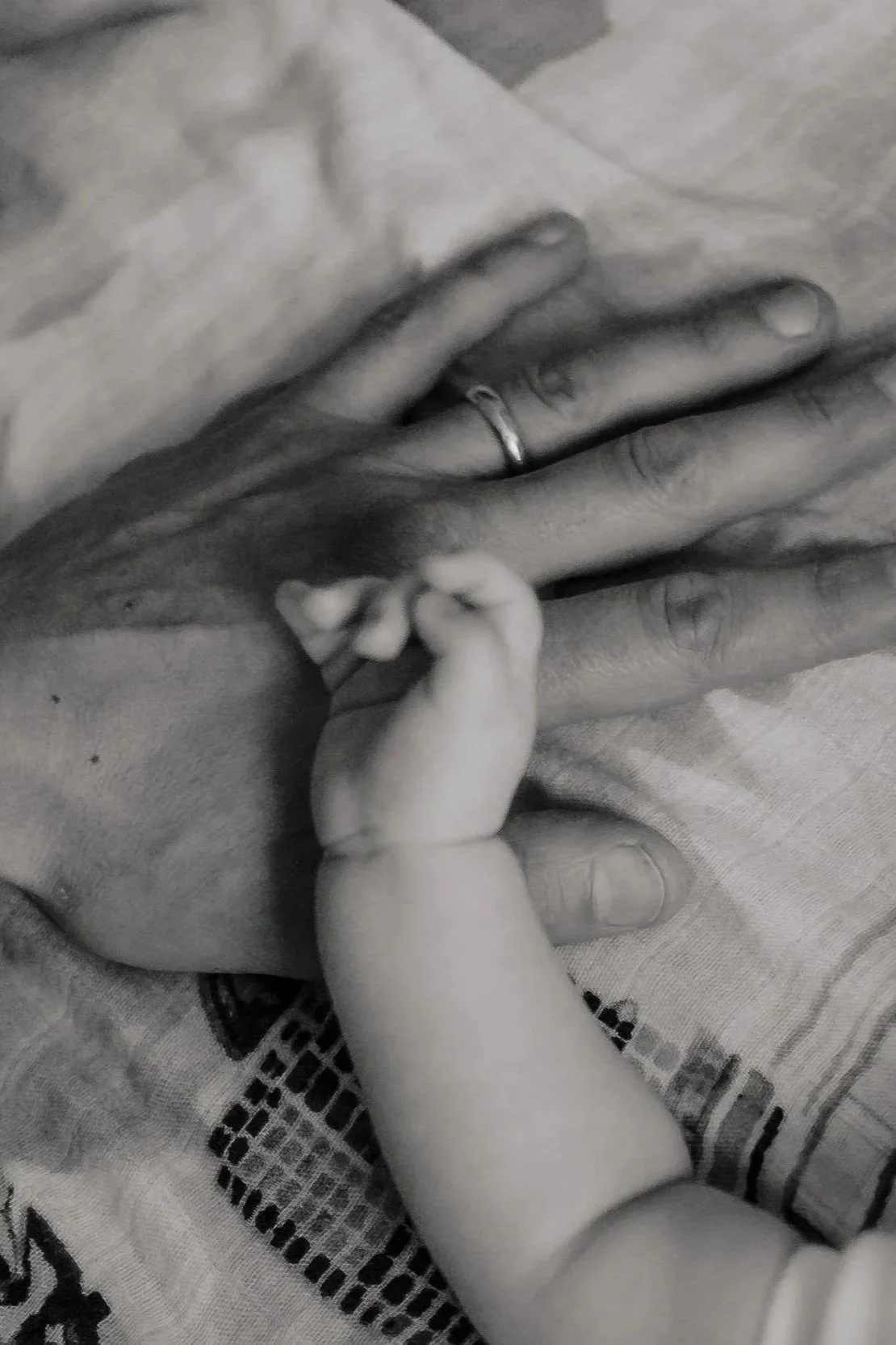
If you choose to include a partner, partners, or other support people, they are welcome and indeed highly encouraged to participate in our work together.
Supporting someone through birth can be meaningful, but it can also bring up uncertainty, worry, and a sense of not knowing how to help — especially when labour becomes intense or unpredictable. Many support people carry their own fears into birth, yet are rarely given space to acknowledge or work with them.
This program supports partners and support people in understanding what to expect, how to stay grounded themselves, and how to offer support in ways that are genuinely helpful. That includes learning how to support relaxation and breathing, how to communicate with care providers when needed, and how to stay connected with the person giving birth.
Just as importantly, this work recognises that birth will stay with support people too. Preparing together can help both of you experience birth with more understanding and confidence, and to look back on it as a shared experience rather than something to simply get through.
What matters to me
If you’re drawn to evidence-based guidance and care that is deeply human — work that is thoughtful, heart-led, and rooted in genuine concern for your experience — you’ll likely feel at home here.
I care deeply about the people I work with, and I see it as an honour to support you through such a meaningful time.
I don’t encourage rigid plans or avoidance of medical care. What I care about most is how birth is experienced — emotionally and psychologically — and how that experience stays with people long after the birth itself.
Research and clinical experience consistently show that feeling safe, supported, and able to make sense of what’s happening matters deeply during intense experiences like birth. Even when outcomes are medically “good”, people can carry distress if they felt frightened, unheard, or overwhelmed. My focus on mental and emotional preparation comes from this understanding.
My work is grounded in scientific evidence, clinical, and personal experience. I don’t use fear-based messaging, and I don’t position care providers as adversaries. Instead, I help you prepare to engage with the maternity care system in a way that supports agency — even when plans change.
Above all, this work is personal. Whether we work together one-on-one, in a group setting or online, I tailor our work to your questions, values, and circumstances, with the goal of helping you approach birth in a way that feels right for you.